ch
ch English
In the first half of 2026, China's thermal insulation material market showed a divergent pattern featuring overcapacity for conventional products and steady growth for high-end products. Affected by price fluctuations of upstream raw materials including glass raw materials, ores and aerogel precursors, quoted prices of basic glass wool and rock wool fluctuated within a narrow range. Profit margins of pixel thermal insulation cotton and foil pixel boards trended toward rationality. With scaled domestic production of aerogel blankets, their prices declined steadily while their market penetration kept rising. The whole industry has entered a cycle of production capacity structure optimization and profit redistribution.
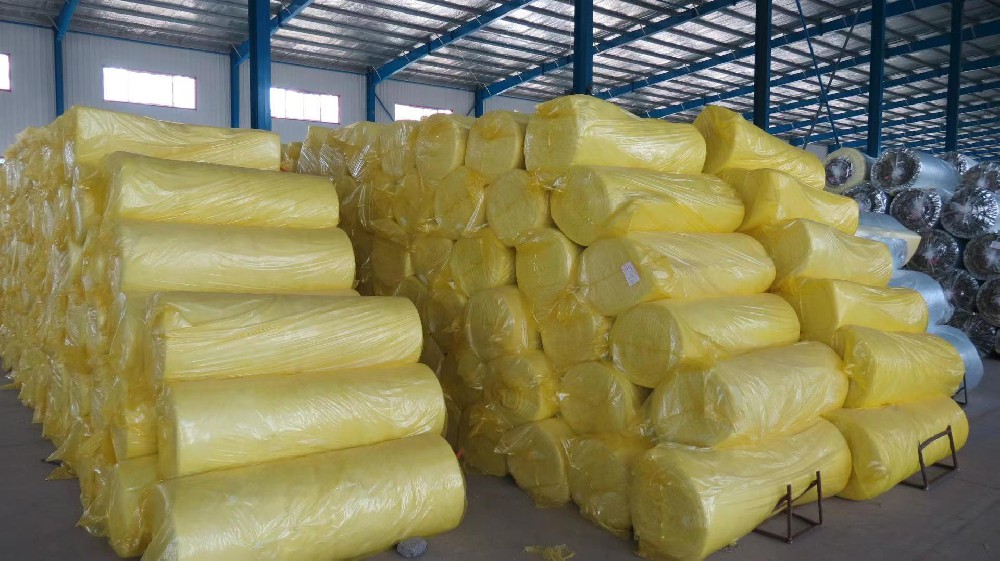
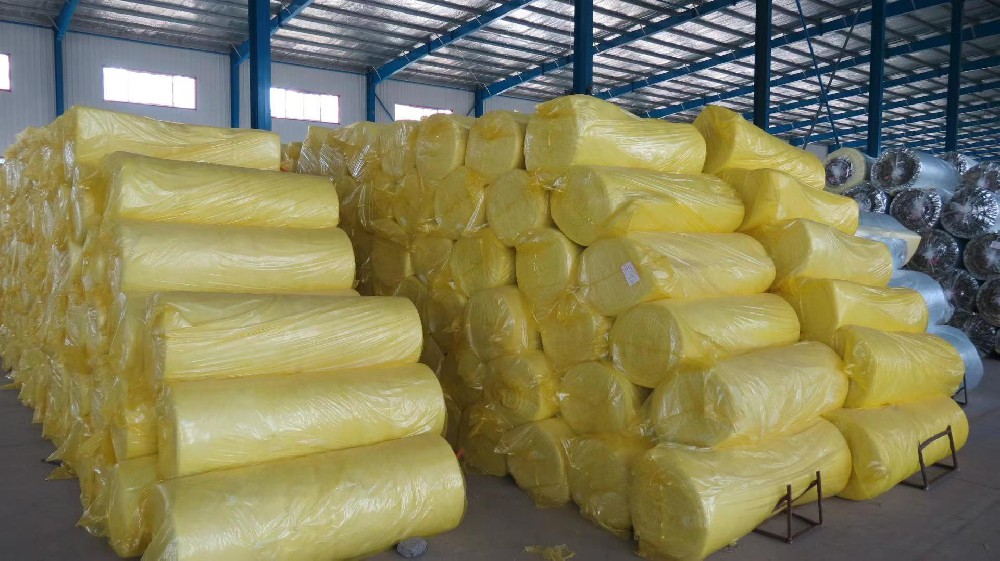
Fluctuations in upstream raw materials constitute the core factor determining pricing of basic thermal insulation materials: prices of basalt ore and auxiliary materials for rock wool production fluctuated slightly, and costs of coal and electricity consumption account for a high proportion of total production expenses. With normalized energy consumption regulation in the first half of the year, small-scale informal manufacturers faced heavy pressure from excessive energy consumption and obvious disadvantages in production cost control. Supply and demand of special glass fiber raw materials for glass wool remained loose with generally steady and slightly weak prices, and the overall industrial capacity utilization rate stood below 70%. Fierce market competition for ordinary glass wool and rock wool squeezed slim profit margins via price wars. Many small manufacturers sustained operation by cutting corners such as simplifying quality inspection and lowering bulk density, resulting in inconsistent product quality and further disrupting the order of the low-end market.
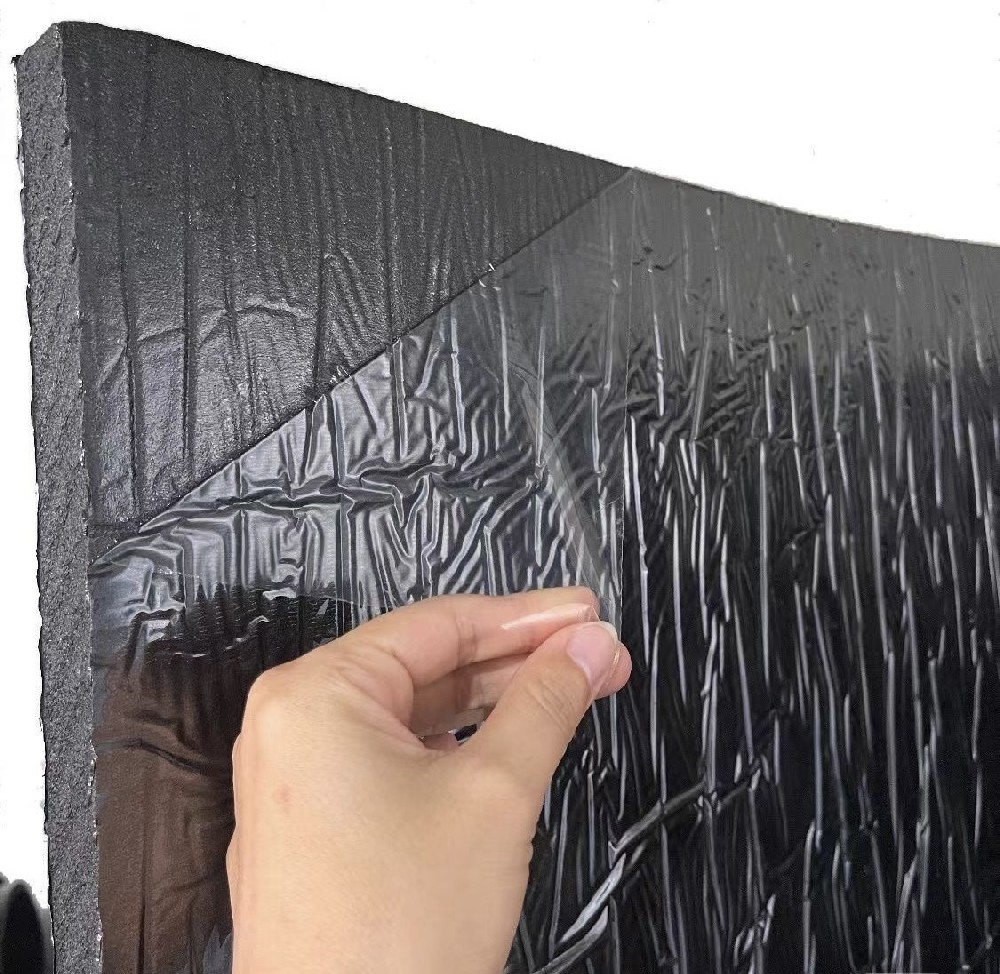
Market trends of differentiated product categories varied drastically. Benefiting from integrated sound insulation and thermal insulation performance, pixel thermal insulation cotton serves segmented scenarios such as HVAC systems, equipment rooms and indoor noise reduction with rigid and stable demand and mild price fluctuations. Prices of aluminum foil raw materials fluctuated slightly following bulk commodity trends, driving corresponding adjustments in foil pixel board prices. Supported by rigid demand for pipeline outer protection and exterior wall closing works, market demand remained stable for such boards. Continuous cost reduction of silicon-based precursors upstream of aerogel blankets and popularization of domestic drying equipment lowered mass production costs, bringing down average product prices year by year. Improved cost-performance boosted order volume in heating projects and industrial renovation sectors. Though aerogel blankets boast higher gross profit margins than traditional thermal insulation materials, growing market participants will intensify competition in the medium and long run.
Downstream demand provided hedging support for the market: renovation of old urban residential communities and renewal of municipal heating pipe networks underpinned basic demand for conventional thermal insulation materials; ultra-low energy buildings and industrial energy-saving technological transformation drove incremental demand for high-end aerogel products. Implementation of infrastructure investment stabilization policies spurred moderate recovery in demand for supporting thermal insulation materials for factory buildings, public buildings and cold-chain warehouses, preventing sharp plunges in industrial prices. Industry associations predict that raw material volatility will persist in the second half of the year; there will be no unilateral sharp rises or falls, and the overall market will maintain a steady and adjusting trend.
In terms of operation strategies for manufacturers, simply expanding output and engaging in price competition is unsustainable. On one hand, enterprises should strictly control costs through refined management covering raw material procurement, production energy consumption and finished product loss. On the other hand, they need to optimize product mix by reducing the proportion of low-end homogeneous products, expanding businesses of high value-added products such as aerogel, securing long-term engineering orders relying on full-category supporting advantages, and hedging cyclical fluctuation risks through stable quality and differentiated product layout to achieve sound and sustainable operation.