ch
ch English
Specification
Entering 2026, the building thermal insulation material sector has ushered in a concentrated implementation window of national standards and industrial management policies. A closed-loop supervision system covering product fire performance, environmental indicators, production access and on-site project acceptance has been established, forcing the accelerated phase-out of backward small and medium-sized production capacities. Mainstream inorganic thermal insulation materials including glass wool, rock wool, aerogel blanket, pixel thermal insulation cotton and foil pixel board are facing opportunities for structural market expansion, and the entire thermal insulation industry has officially shifted from extensive expansion to a development track featuring quality improvement and upgrading.
The mandatory national standard Safety Technical Specification for Combustion Performance of Thermal Insulation Materials and Products for Buildings (GB 46520-2025) is scheduled to take full effect on August 1 this year. The new standard refines detailed rules for combustion grade classification of various thermal insulation materials, imposes stricter flame retardancy testing requirements on insulation products for exterior walls of high-rise and public buildings as well as heating pipelines, and explicitly bans the use of low-grade combustible materials for external thermal insulation of high-rise buildings, further boosting rigid market demand for Class A non-combustible inorganic thermal insulation materials. Meanwhile, five ministries including the Ministry of Industry and Information Technology, the Ministry of Housing and Urban-Rural Development and the Ministry of Emergency Management jointly issued the Standard Conditions for the Building Thermal Insulation Material Industry (2025 Version) at the start of the year, introducing a two-tier evaluation system of "standardized enterprises" and "leading standardized enterprises". Access thresholds are defined across six dimensions: production equipment, energy consumption control, environmental emissions and quality inspection systems. Small workshop-style factories failing to meet the standards will be gradually restricted from bidding for engineering projects, leading to continuous growth in industrial concentration.
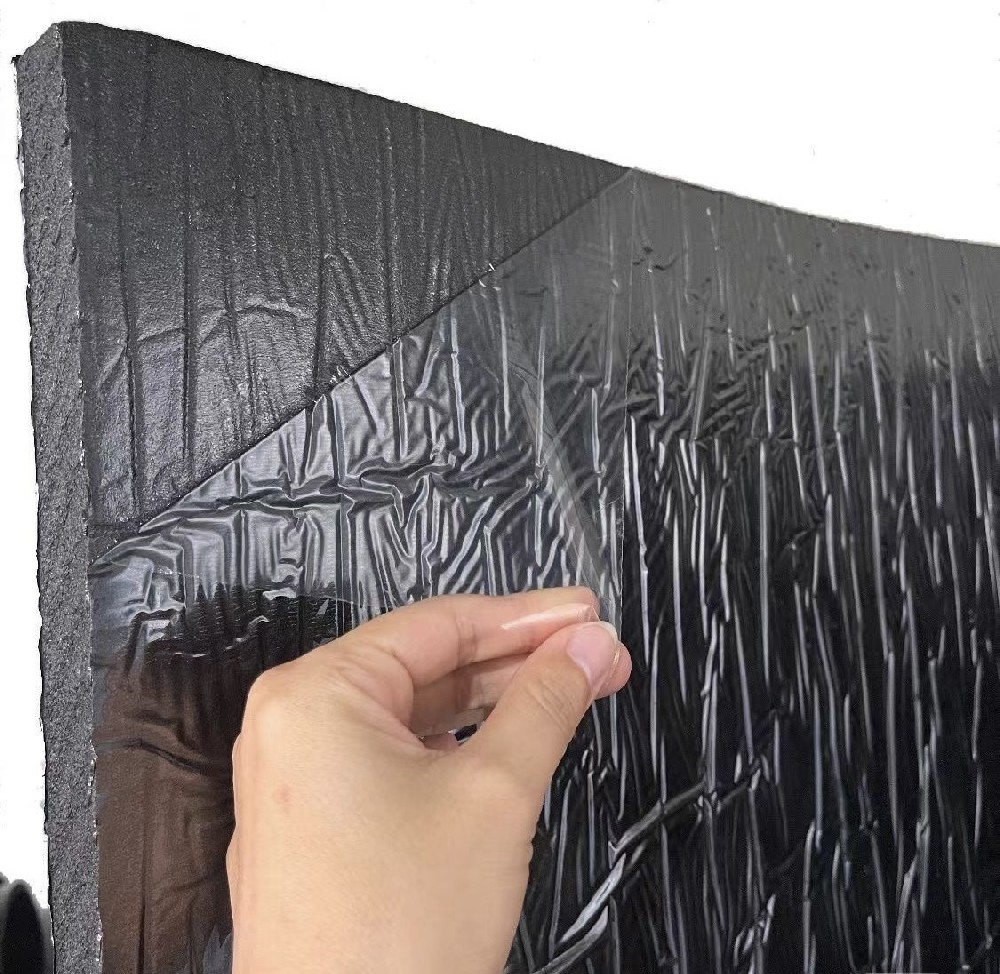
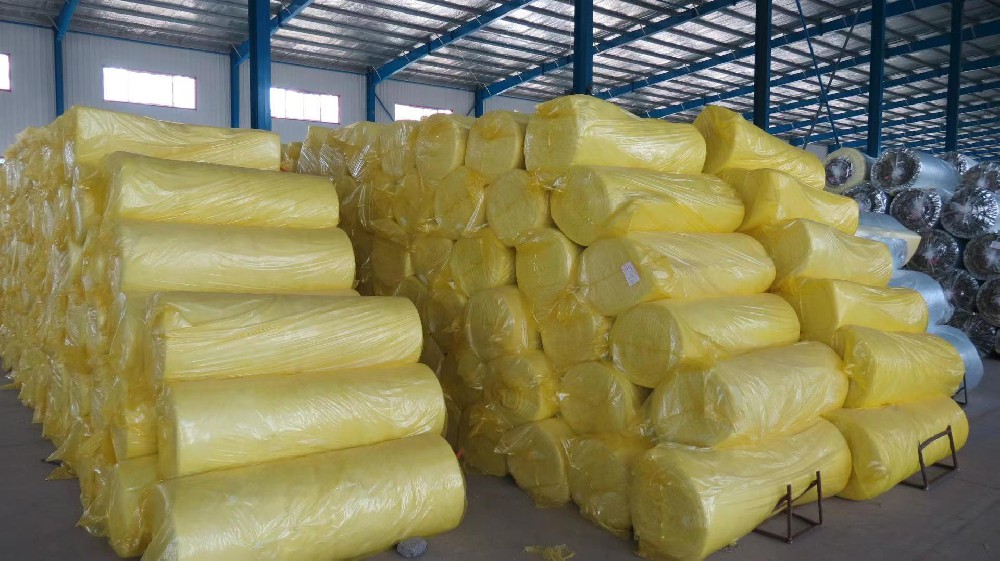
The revised national standards for extruded and molded polystyrene boards were already implemented on July 1. Local housing and urban-rural development authorities across the country have launched special inspections on the quality of exterior wall thermal insulation projects, focusing on key links such as re-inspection of incoming thermal insulation materials, traceable account records and system weather resistance, to put an end to irregularities including shoddy products, undersized thickness and substandard fire resistance parameters. In terms of market demand structure, conventional low-end organic thermal insulation materials face prominent usage restrictions. Rock wool and glass wool remain core base materials for exterior wall thermal insulation thanks to their stable Class A fire resistance. Pixel thermal insulation cotton stands out with integrated sound absorption and heat insulation functions, widely supporting HVAC air ducts and indoor sound insulation applications. Foil pixel boards feature moisture resistance and thermal radiation reflection, becoming standard materials for pipeline outer protection and wall edge finishing. Relying on ultra-low thermal conductivity, aerogel blankets see rising market penetration year after year in heating pipe networks and renovation of high-temperature industrial equipment.
Industrial institutions analyze that tightened policies will push up production costs for compliant enterprises in the short term, yet benefit large-scale manufacturers with self-production of full product ranges, complete quality inspection systems and intelligent production lines in the long run. Future bidding projects will give priority to suppliers with complete qualifications capable of providing full sets of type test reports, and compliant leading enterprises will keep expanding their market share. For the local thermal insulation industrial cluster in Langfang, enterprises must take initiative to optimize production processes in line with new regulations and improve batch traceability management. Leveraging a complete product portfolio to cater to diversified project demands such as new and old community renovation, municipal heating and industrial thermal insulation, they can consolidate competitive edges amid industrial reshuffling.