ch
ch English
Following the general trend of national policies on building energy conservation and carbon reduction, five core thermal insulation product series submitted for inspection by Langfang Baibei New Materials, namely glass wool, pixel thermal insulation cotton, foil pixel boards, aerogel blankets and rock wool, have all successfully passed Green Building Material Product Certification issued by authoritative third-party institutions. The environmental indicators, thermal insulation performance and fire safety of the products have obtained official authoritative endorsement. This has supplemented the core qualifications required for the enterprise to participate in government old community renovation, green building and indemnificatory housing centralized procurement and bidding projects, accelerating its layout in the trillion-level emerging markets of ultra-low-energy buildings and urban renewal renovation.
China’s domestic building energy efficiency standards keep getting stricter. Ultra-low-energy buildings, passive houses, energy-saving renovation of existing residential communities and prefabricated buildings have raised multiple mandatory requirements for thermal insulation materials: Class A fire resistance and flame retardancy, high-efficiency thermal insulation with low thermal conductivity, low VOC content, zero harmful volatiles, weather resistance and aging resistance. Many low-end thermal insulation products are gradually phased out by the market due to excessive pollutant emissions, rapid attenuation of thermal insulation performance and substandard fire resistance. Market research shows that a growing number of real estate general contractors, construction enterprises and government procurement projects prioritize main materials with Green Building Material Certification, making qualification thresholds the core barrier for thermal insulation enterprises to enter the high-end engineering market. Taking the lead in R&D and iteration of green products, Langfang Baibei New Materials has abandoned highly polluted traditional bonding systems and optimized raw material proportion schemes. All product series are manufactured with eco-friendly inorganic raw materials to curb the generation of volatile pollutants at the source, meeting environmental protection standards for indoor and outdoor enclosed spaces.
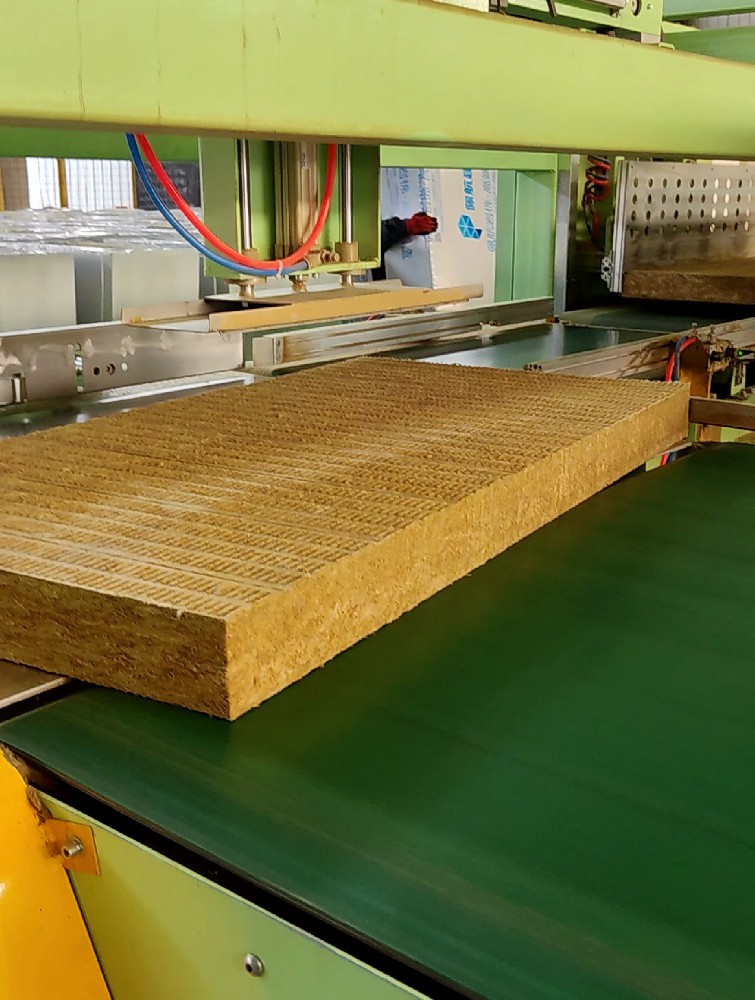
The Green Building Material Certification features extremely rigorous testing procedures. Testing institutions conducted multi-batch sampling tests for each product, examining and verifying more than ten key parameters including thermal conductivity, combustion performance, water repellency, formaldehyde emission, anti-aging durability and sound insulation performance. Final test results demonstrate that the company’s glass wool and pixel thermal insulation cotton deliver outstanding sound absorption, noise reduction and thermal insulation performance; foil pixel boards provide moisture resistance, thermal radiation reflection and outdoor weathering resistance; aerogel blankets stand out for remarkable thermal insulation efficiency and fit ultra-thin thermal insulation design; rock wool maintains stable Class A non-combustible performance to ensure maximum safety for exterior wall applications. All tested products exceed the limits specified by current national standards for building materials in every indicator and satisfy the evaluation requirements for one-star green buildings.
With the Green Building Material Certification, the company’s products can be directly shortlisted for centralized procurement catalogs of old community renovation, public building energy-saving renovation and ultra-low-energy residential construction under local housing and urban-rural development authorities, greatly lifting competitiveness in bidding. According to the enterprise’s technical director, the company will further increase investment in new material R&D, iterate and optimize lightweight formulas for aerogel blankets, upgrade manufacturing techniques for high-density sound-insulating pixel thermal insulation cotton, and enrich the differentiated product portfolio. Leveraging its green certification advantages, the enterprise will promote integrated energy-saving thermal insulation solutions for exterior walls, roofs and HVAC pipelines to construction general contractors, regional distributors and construction teams. It will gradually transform from a traditional manufacturer and seller of thermal insulation materials into a comprehensive service provider of green low-carbon thermal insulation systems, fully practicing the national "dual-carbon" development concept. Capitalizing on Langfang’s superior industrial location advantages, the company will seize market opportunities amid the low-carbon transformation of the construction industry.